The author media kit: everything a host needs, in one place.
A podcast producer, a journalist or an event planner who says yes to you will need the same dozen things within a day. An author media kit, also called a press kit, holds them all at one address. Here is what goes in it, a section-by-section template, file sizes and names, a filled-in example and a checklist.
What a media kit is for
Three kinds of people open a media kit. A podcast producer needs a bio, a photo for the episode art and questions for the host. A journalist needs to know what you can comment on and how to reach you today. An event planner needs your talks, a host introduction and a headshot for the program.
A media kit has one job: make it easy to feature you accurately. If you have a bio, a main headshot and talk titles, most of the kit already exists.
The one-page speaker sheet sells a talk to planners. The media kit also serves press and podcasts, and carries the files.
The ten parts
| Part | What it holds | Who uses it most |
|---|---|---|
| 1. Book sheet | One page: cover, title and subtitle, who it is for, a three-sentence summary, publication date, formats, ISBN, two endorsements, where to buy | Everyone |
| 2. Bios in three lengths | About 50, 100 and 200 words, third person, as plain text | Podcasts, programs, articles |
| 3. Host introduction | A read-aloud version, under a minute spoken, with pronunciation notes | Podcasts, events |
| 4. Headshots | Your main headshot in vertical and horizontal crops, color and black and white | Everyone |
| 5. Cover files | A flat front cover image, and a 3D or photographed version if you have one | Podcasts, press, bookstores |
| 6. Suggested interview questions | Eight to ten questions that lead to your best stories | Podcast hosts, radio |
| 7. Topics and talks | Two or three talk titles, plus the subjects you can comment on in the news | Planners, journalists |
| 8. Past appearances | Podcasts, articles and events, newest first, each linked | Anyone deciding whether to book you |
| 9. A short excerpt | A self-contained passage of 300 to 600 words from the book | Editors, newsletter writers |
| 10. Contact and booking | One email address that is answered within a day, who answers it, time zone, and how to request review copies | Everyone |
For the excerpt, pick a story with its point that makes sense on its own.
A section-by-section template
Fill in the brackets. Use the exact words from your brand core wherever the template asks for your reader, your promise or your named idea.
Heading: [Name], author of [Title]. One line under it: [your one-line promise].
The book: [Title]: [Subtitle]. [Publisher], [publication date]. [Formats]. ISBN [number]. For [who it is for]. [Three sentences: the problem, the idea, what readers can do after reading.] Praise: "[endorsement]" [Name, role]. Buy: [links].
Bios: 50 words. 100 words. 200 words. Each in a box with a copy button or as plain text.
Introduction for hosts: [read-aloud version]. Pronunciation: [name, spelled as it sounds].
Photos: [thumbnails, each linking to the full-size file]. Photo credit: [photographer].
Cover: [thumbnail linking to the full-size file].
Questions [Name] can answer: [eight to ten questions].
Talks: [two or three titles, one line each]. Can comment on: [three to five news subjects].
Recent appearances: [show or outlet, title, date, link].
Excerpt: [passage], from chapter [number].
Contact: [email], answered by [name or "the author"]. [Time zone]. Review copies: [how to ask].
Download: [link to the PDF version].
Photo and cover files: sizes and names
Most media kit problems are file problems: a photo too small to print, a cover sent as a screenshot, files named IMG_4471. Offer each image in a web size and a full size, named so it makes sense in a stranger's downloads folder.
| File | Offer | Name it |
|---|---|---|
| Main headshot, vertical | The full-resolution file from your photographer, plus a web copy about 1,500 pixels on the long side | lastname-firstname-headshot-vertical.jpg |
| Main headshot, horizontal | Same two sizes, with room on one side for text | lastname-firstname-headshot-horizontal.jpg |
| Black and white headshot | Full resolution | lastname-firstname-headshot-bw.jpg |
| Front cover, flat | The file your designer made for retailers, as a JPEG | title-cover.jpg |
| Cover, 3D or photographed | A web size for social posts and episode pages | title-cover-3d.png |
| The PDF kit | Two to four pages, images linked, small enough to email | lastname-firstname-media-kit.pdf |
For the cover, Amazon's own ebook cover guidelines are a sensible standard: they give 2,560 pixels high by 1,600 pixels wide as the ideal size, call JPEG the preferred format, and ask for at least 300 DPI. Make sure your photographer's agreement lets you share the headshots with press and hosts, and list the photo credit; the photo guide covers the rights to ask for.
Source: Kindle Direct Publishing help, Cover image guidelines, checked October 22, 2026.
Writing suggested interview questions
Hosts who have not read the whole book lean on this list, so it shapes the conversation you get. Write them so each one leads to a story you tell well.
- Start with the problem, from the listener's side. "Why do so many people ___?" lets you open with the reader's pain rather than your résumé.
- Include the origin question. "What made you write this book?" will be asked anyway; make sure your best answer is short.
- One question per named idea. If you have a named method, ask for it by name so the host says it aloud.
- One question someone might disagree with. "What do most ___ get wrong about ___?" gives the episode an edge.
- One practical close. "What can a listener do this week?" ends the episode on something useful.
For journalists, add a "can comment on" list: three to five news subjects where you can give a usable quote the same day. It gives a reporter a reason to call when a story breaks.
A filled-in example
Dana Ruiz is the invented nurse manager used across these guides. She and her book do not exist.
Heading: Dana Ruiz, author of Through Year One. Helping nursing leaders keep new graduate nurses through their first year.
The book: Through Year One: How Nurse Managers Keep the New Graduates They Hire. For unit managers, charge nurses and nurse educators. New nurses often leave in their first year for reasons a unit could have fixed. The book explains the Ten-Minute Round, a weekly check-in that brings those reasons out early.
Questions Dana can answer: Why do so many new nurses leave in year one? What do exit interviews say that managers hear too late? What is the Ten-Minute Round, and why ten minutes? What do most hospitals get wrong about orientation? What should a charge nurse say in a new nurse's first week? What can a nurse manager change on Monday?
Talks: "Why new nurses leave in year one, and the ten-minute habit that keeps them" (keynote). "Building charge nurses who keep new graduates" (half-day workshop). Can comment on: nurse staffing shortages, new graduate residency programs, burnout on medical-surgical units.
Excerpt: the opening story of chapter four, the unit that lost four of six new graduates in one year, 450 words.
Contact: media@[her domain], answered by Dana within one working day, Eastern time. Review copies for hosts and journalists on request.
Her bios and host introduction come straight from the bio guide and the read-aloud template. Only the questions and the comment list are new writing.
Where to host it
Put the kit in two places. First, a page on your own website, at a short address such as yourdomain.com/media, linked from your contact page and footer. Put each bio in its own copyable block, and link each image to its full-size file. The author website guide lists the media kit page as the first optional page to add once people ask for it.
Second, a PDF that summarizes the page, for people who want an attachment or will forward it to a colleague. Put the web address on every page of the PDF, and update both on the same day: hosts copy an old bio as written.
How to send it
Do not attach the kit to a cold pitch: write a short note about the listener or reader, with one link to the kit. The pitch email in the speaking guide shows the shape; for a podcast, swap the talk for the episode you would bring. Once someone says yes, send the files they need in one reply, as the speaker bio guide lists for event organizers, and include the link to the kit so they can find anything else.
Offer a review copy in the pitch, and mail it signed when the host accepts.
Scribe authors in the press
Each card links to the full story. These are strong results, not typical ones, and nobody can promise them.
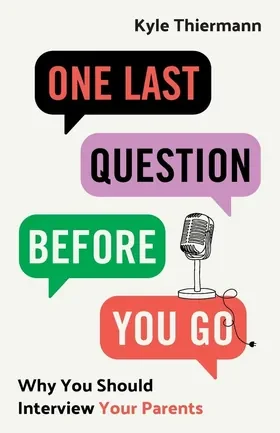
- Kyle Thiermann lined up about a dozen podcast interviews and newspaper articles for launch week, and mailed about 150 personalized signed copies to influencers and podcast hosts. One copy, mailed to Leanne Kreischer, led to an appearance on her podcast, Wife of the Party.
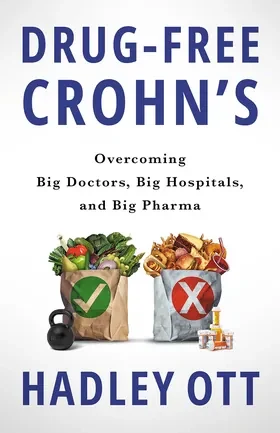
- Hadley Ott has been on about 15 podcasts and local TV in Nashville. A friend opened a door at Notre Dame, and he used that name to pitch a hundred more schools, which led to a talk at Ole Miss. Each yes became the reference for the next pitch, and his story puts the ratio closer to a hundred reaches for one yes.
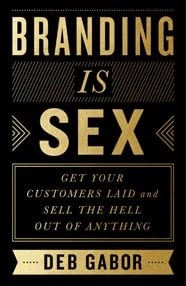
- Deb Gabor became the go-to commentator on branding and PR problems by offering short, quotable takes on what companies were getting wrong. Within a month her story lists CBS, The Washington Post, Forbes, The New York Times, NPR and others, plus an op-ed for Fortune. That is what a "can comment on" list is for.
The checklist
- One web page at your own domain, linked from your contact page and footer
- A PDF of two to four pages, with the web address on every page
- Book sheet with publication date, formats, ISBN, two endorsements and buy links
- Bios of about 50, 100 and 200 words, as copyable text, matching your website and LinkedIn
- A read-aloud host introduction with pronunciation notes
- Headshots and cover in full and web sizes, named and credited as in the table above
- Eight to ten interview questions that lead to your best stories and name your idea
- Two or three talk titles and three to five subjects you can comment on
- Past appearances, newest first, each linked, with no dead links
- One contact email that is answered within a working day, and how to request review copies
- A date in your calendar to update it, the same day as your yearly consistency check
Write the bios your media kit needs
The bio builder drafts a 50, 100 and 200 word bio plus a host introduction from one set of facts, in your browser.
Sources: Kindle Direct Publishing help, Cover image guidelines (checked October 22, 2026); author details from the linked Scribe success stories for Kyle Thiermann, Hadley Ott and Deb Gabor. Dana Ruiz and her book are invented.