How to get speaking engagements with your book.
Speaking engagements come from four kinds of buyers, and each one finds speakers a different way. Here is who they are, how to reach them, a pitch email you can adapt, how to make the book part of the deal, and a 90-day plan.
Who books speakers
Most advice on how to get speaking engagements says "reach out to event planners." In practice there are four kinds of buyer, each with a different job and a different reason to say yes.
| Buyer | Who they are | What they need from a speaker |
|---|---|---|
| Association education staff | Staff at a professional or trade association who plan the annual meeting, chapter events and webinars | Sessions members rate well, with takeaways they can use at work |
| Conference program committees | The group that picks an industry conference's sessions, often from submitted proposals | A session that fits a theme or track, submitted on time in their format |
| Corporate L&D and event teams | Learning and development (L&D) staff who train a company's people, and teams that run sales kickoffs and leadership retreats | A talk fitted to their company's problem this year |
| Speaker bureaus and agents | Firms and individuals who sell speakers to all of the above for a cut of the fee | A speaker already in demand |
An author's first bookings usually come from the first three. Bureaus come later.
How each buyer finds speakers
Association education staff
They hear names from members and chapter leaders. Local chapter meetings need speakers, and that is where new speakers get seen. Learn the education director's name, and give a chapter talk first; it is the best reference for the annual meeting.
Conference program committees
Many conferences publish a call for proposals (a public form for session ideas) months before the event, with a deadline. Note every deadline in your lane in one calendar, and write each proposal in the committee's language: their theme, their audience, their format. The talk title templates fit most forms.
Corporate L&D and event teams
Corporate bookings tend to come through people: a leader who read the book, or an attendee who heard the talk elsewhere. Here the book does the most work, because an executive can hand a copy to whoever books speakers. Robin Farmanfarmaian's story tells of a medical company founder who met her in the lobby after a talk; she became a vice president there.
Speaker bureaus and agents
Bureaus look for speakers clients are already asking for. BigSpeak, a speakers bureau, says in its own FAQ that bureaus charge nothing to list a speaker and make their money from a percentage of the fee, "typically between 25-35%." It lists what a speaker generally needs to be listed with a major bureau: stage video, testimonials from major companies, fees already in the $10K+ range, at least 10 paid gigs in the last year, and a book. Treat it as a list of what to build first.
A book can be what an agent is waiting for. Matt Shoup's agent kept him at smaller events until Painted Baby landed, then booked bigger stages. Cameron Herold's story says speaker bureaus that had ignored him started asking to represent him after his books.
Source: Keynote speakers FAQs for speakers bureaus, BigSpeak, checked October 21, 2026. Bureau terms vary; ask any bureau for its terms in writing.
What to have ready
Have these in one folder before you pitch anyone.
- One lane and one signature talk, built from a chapter (see speaking topics).
- The one-page speaker sheet, laid out in the same guide.
- A short and a long speaker bio, and a read-aloud introduction. See the speaker bio examples, or draft all three in the free bio builder.
- Two to three minutes of video of you speaking to a real audience. A phone on a tripod is enough to start.
- Two references: hosts who will take a call about you.
- A book offer: what bulk copies cost you (see below).
The pitch email
Keep it short, make it about their audience, and ask for one small next step.
- Subject line: their audience and the problem.
- First line: why them: their event, their theme, or who suggested you write.
- The talk in two sentences: the problem in their members' words, and what attendees leave with.
- One line of proof: the book, plus one checkable fact.
- The book offer, then one small ask: a 15-minute call, or permission to send the speaker sheet.
Subject: Keeping new nurses through year one, for your spring chapter meetings
Hi Karen, Lisa Moreno at the Northside chapter said you plan the education calendar for chapter meetings this spring.
Most nurse leaders I meet lose new graduates in their first year and only hear why in the exit interview. My talk, "Why new nurses leave in year one, and the ten-minute habit that keeps them," gives managers a weekly check-in, a week-one script and three warning signs to watch for.
I ran medical-surgical units for fifteen years and wrote Through Year One about this. Last month I gave the talk to the Westside chapter; Lisa can tell you how it went.
For chapter meetings I can include a signed copy of the book for every attendee. Could I send you a one-page outline, or would a 15-minute call be easier?
Dana Ruiz
Dana and her book are invented. Follow up once, a week later, with something useful such as a clip or a date that fits their calendar. Then stop.
Free talks that lead to paid ones
Many paid speakers started unpaid. Say yes to a free talk if at least one of these is true.
| Say yes when | Why it pays later |
|---|---|
| People who book speakers, or who could hire you, are in the room | The talk is the pitch |
| You can record it | You need video for every buyer, and bureaus ask for it |
| The host will buy copies of your book | Readers become clients and referrals |
| It is your exact lane and audience | References from the people you want to reach |
If none is true, decline politely. Jesse Cole spoke for free anywhere he could for ten years. After Fans First, paid speaking rose 500%. After Tofe Evans spoke at the Bank of Queensland, its Chief Risk Officer bought fifty copies of his book and later booked him for a country-wide tour. John Ruhlin's story says an event that turned him down when he begged to speak for free later offered him his full $20,000 fee, plus travel.
Ron Thurston, author of Retail Pride, says becoming a high-fee speaker took him several years, starting with online talks as practice.
The book as the reason to book you
For a buyer, a book shows the talk has depth and gives every attendee something to take home. Package that second part.
Ron Thurston's approach, from his story, is the clearest playbook:
- Ask about their budget first, before naming a fee.
- If there is no speaker budget but they will pay travel, ask whether they would buy a hundred copies of the book to give away.
- Put the book purchase in the contract. He says he almost always does.
- Sell the whole day, not the hour on stage: he offers to stay and sign books, and to help present awards at the evening event.
Rachel A. Williamson was the headline speaker at a Lead Like Her event at Ohio State University, where the host had pre-bought a couple hundred copies of 30 Days to Running Great Stores. A retail CEO walked to the front of her signing line, said he needed to hire her and left his card; his assistant called two days later. Cameron Herold offers organizers books for every attendee at $10, then $5, and pays himself if needed, so everyone gets one.
Say an association offers $2,500 for a chapter keynote with 150 members attending. Offer three packages: the talk alone; the talk plus 150 signed copies the association buys at your cost and hands out at the door; or both plus a 45-minute session for the chapter board.
The figures are invented; use your own fee and printing cost.
Check that the event allows it. TEDx rules (checked October 21, 2026) say speakers "cannot promote their own products, books, or businesses"; the speaking topics guide covers what TEDx allows.
Scribe authors who got booked
Each card links to the full story. These are strong results, not typical ones, and nobody can promise them.

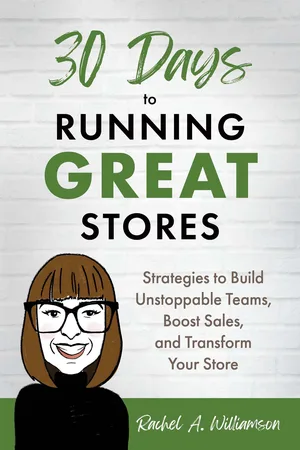

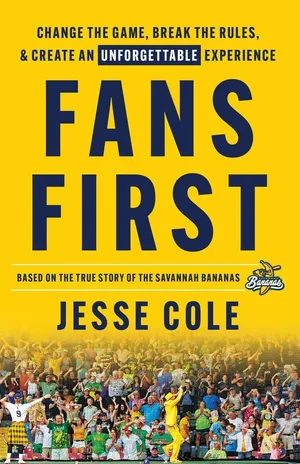
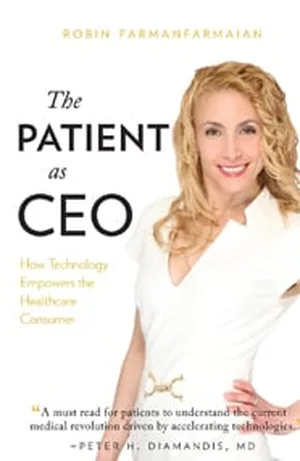
Ron Thurston's Boot Barn keynote, in September 2026, was for 700 store managers, and Boot Barn bought copies of Retail Pride for everyone attending. Matt Shoup pitched his first five-figure gig once Painted Baby was in hand, and landed it.
A 90-day booking plan
It assumes the book is out or close, and a few hours a week.
Days 1 to 15: get ready
Choose one lane and one signature talk. Finish the speaker sheet and bios. List 40 named buyers in your lane, from all three first buyer types, and every call-for-proposals deadline.
Days 16 to 45: first talks
Book three to five free or low-fee talks that pass the rule above. Record each one, and ask each host who else should hear it.
Days 46 to 75: pitch
Cut a two-minute clip. Send ten personal pitch emails a week, each with the book offer, and answer every open call for proposals. Post one idea from the talk each week where buyers read (see LinkedIn for authors).
Days 76 to 90: follow up and package
Follow up once on every pitch. Offer each yes the talk-plus-books package, and ask every host for an introduction to one more buyer. Keep the lane narrow until referrals arrive.
Ninety days builds the first references; a speaking business takes longer. Track every pitch and reply, and see which buyer type answers you.
Write the introduction a host will read about you
The bio builder drafts a short, medium and long bio plus a read-aloud introduction from one set of facts, in your browser.
Sources: BigSpeak speakers bureau FAQ (checked October 21, 2026); author results and tactics from the linked Scribe success stories, including Tofe Evans, John Ruhlin and Cameron Herold. Dana Ruiz, her book and every figure in the worked examples are invented.