What is an author brand, really?
An author brand is what people repeat about you when you are not in the room. Here is what it is made of, how it differs from an author platform, and how to tell whether you have one yet.
A working definition
Most definitions of author branding talk about "how readers perceive you." That is true but hard to act on. A more useful definition for an expert or business owner with a nonfiction book is this:
Your author brand is the set of sentences other people use to describe you to someone who has never met you.
That framing makes the job concrete. You cannot control what people think, but you can decide what sentences you give them, and you can say those sentences so consistently that they become the easiest thing to repeat. A client referring you, a conference host introducing you and a journalist quoting you all reach for whatever words are closest to hand. Your job is to put the right words there.
Notice what is missing from that definition: logos, fonts and color palettes. Those matter, and there is a guide to the visual side, but they support the words. A beautiful cover on a book whose promise nobody can repeat is still a book nobody can recommend.
The five parts
When people repeat something about an author, it is almost always one of five things. Each has its own guide on this site.
| Part | The question it answers | Where people hear it |
|---|---|---|
| Who you help | Who is this person for? | Referrals, the first line of your bio, your LinkedIn headline |
| The one promise | What will I get from them? | The book subtitle, your website headline, the back cover |
| The named idea | What are they known for? | Podcast titles, articles, how fans describe your method |
| The talks | What would they teach my group? | Event programs, speaker sheets, agent listings |
| The bio | Why should I listen to them? | Stage introductions, show notes, the inside back flap |
The parts are built in that order on purpose. The promise only makes sense once you know who it is for. The named idea is the method behind the promise. The talks teach the method. The bio summarizes all of it. If you write your bio first, as most people do, you end up describing your career instead of your brand.
Author brand vs author platform
"Author platform" is the phrase publishers use, and it gets mixed up with brand all the time. They are different things, and you need both.
- Your platform is reach: the people you can get a message to. Email list, followers, podcast audience, client base, speaking calendar, professional network, media contacts.
- Your brand is the message: what those people hear and repeat when the message arrives.
A useful way to see the difference is to imagine the four combinations:
| Clear message | Fuzzy message | |
|---|---|---|
| Large platform | Each post, talk and book mention adds to one reputation. This is the goal. | Lots of attention, little that sticks. People know your name but not what to hire you for. |
| Small platform | Every person you reach can pass you on accurately. Growth comes through referrals. | The hardest place to be. Growing the audience will not fix it. |
Most experts writing their first book are in the bottom row: a respectable network of clients and colleagues, but no large audience. The temptation is to work on the platform first (post more, start a podcast, chase followers). That is usually the wrong order. Fix the message first, because a clear message is what turns a small network into a referral engine, and because every follower you gain while the message is fuzzy is a follower who does not know what you do.
Why the book is the center
You can build a brand without a book. Many people do it with a newsletter or a podcast. But a book has three properties nothing else has.
It forces the decisions
You cannot write a coherent nonfiction book without choosing a reader, a problem and a promise. The Scribe Method calls this positioning and puts it before any writing, with a single North Star sentence that names the audience, the idea and your goal. That sentence is most of your brand.
It is proof you can carry
A book shows the depth of your thinking in a form someone can hold, pass to a colleague or put on a desk before a meeting. Harris Nydick's prospects sometimes arrive at discovery calls having already read Common Financial Sense; the story calls the book the best business card his firm has ever had.
It gives the idea a container
A blog post can describe an idea. A book can own it. Neil Thanedar had more than 100,000 words of public writing, but wrote Positive Politics to own one idea, and three of the five founders in his first accelerator class found him through his writing.
Gui Costin, who wrote two books with Scribe, put the point plainly when asked about return: "You write a book to become a subject matter expert and an authority." (read his story)
A ten-minute self-test
Answer these without looking at your website. Write the answers down; vague answers in your head always feel clearer than they are.
- In one sentence, who do you help? (If the answer includes "anyone" or "organizations of all sizes," mark it unclear.)
- What one result do they get? Is it something they would say they want, in their own words?
- Does your method have a name someone could search for?
- Could you list two talk titles an event planner would book this year?
- Does the first line of your current bio say who you help, or does it list job titles?
- Do your LinkedIn headline, website headline and book subtitle describe the same reader and the same result?
- Ask three clients or colleagues: "How would you describe what I do to a friend?" Do their answers match each other, and yours?
Say you are a family therapist who works with blended families. Your answers might be: (1) "families going through change," marked unclear; (2) "healthier relationships," also unclear, because no stepparent searches for that; (3) no name; (4) no; (5) the bio opens with your licenses; (6) LinkedIn says "therapist," the website says "family wellness," the book draft says "parenting." Three clients describe you three ways. That is a common result, and it tells you exactly where to start: question 1. Once the answer becomes "stepparents in their first two years of a blended family," the promise, the talks and the bio follow much more easily.
If you answered five or more clearly and the answers match, your brand is in good shape and the consistency checklist is your next step. If not, work through the guides in order.
What a clear brand looks like in practice
These Scribe authors are known for something specific, and each result links to the full story. They are strong results, not typical ones, and nobody can promise them.
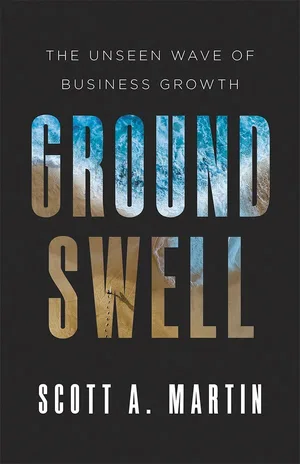
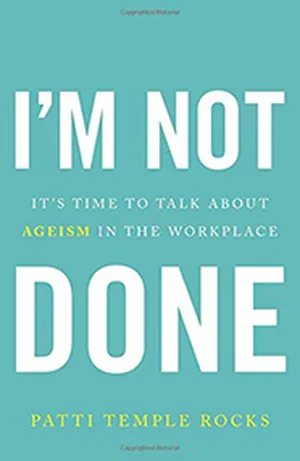
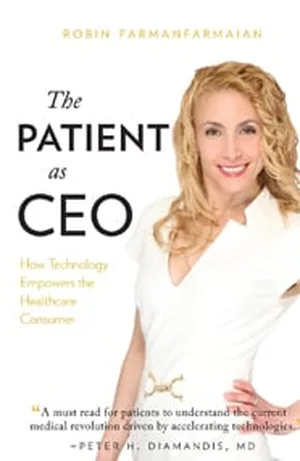
A few patterns in their stories are worth copying:
- One name everywhere. Scott A. Martin's company, podcast and framework all share the name of his book, Groundswell, so every mention of one points to the others.
- A specific cause, not a broad topic. Patti Temple Rocks wrote about ageism at work, not "careers" in general. That specificity is why major outlets, including The Wall Street Journal and Forbes, featured her work, and why organizations hire her to speak and consult on it.
- Ideas that arrive before you do. Robin Farmanfarmaian set out to make her ideas precede her, so people would know her expertise before meeting her. The book was one division of what she called Robin Inc, alongside speaking, media and her website.
- The book as the opener. Deb Gabor sent copies of Branding Is Sex to clients, prospects and people she wanted to talk to, and the story says the book significantly expanded her client base. (read her story)
Where to start
Start with the positioning statement. It is a private sentence, so nobody sees the messy drafts, and every other part of the brand is built from it. If you have twenty minutes rather than an afternoon, open the Author Bio Builder instead: filling it in forces the same two decisions, who you help and what you promise, and leaves you with something you can use today.
Sources: The Scribe Method, What is book positioning; The Scribe Method, How writing a book can build your brand; author results from the linked Scribe success stories.