Speaker bio examples, and the introduction a host reads aloud.
Organizers ask speakers for two things that look alike: a bio to print, and an introduction to read from the stage. Here are fifteen labelled examples across five kinds of speaking, a read-aloud template and what to send.
The bio and the introduction
If you have written your author bio, you have the facts. An author bio answers "why should I read this person?" A speaker bio answers "why is this person on this stage, talking to us?" So the problem you help this audience with comes first, and the book moves to the middle, as proof.
The introduction is a third document, read aloud by a host seconds before you walk on. Nobody can reread a sentence they heard, so it is written for the ear.
| Author bio | Speaker bio | Read-aloud introduction | |
|---|---|---|---|
| Who meets it | A reader or book buyer | An attendee scanning the program or app | A room listening to a host |
| What leads | Who you help and the result | The problem this audience has, and your answer | Why this talk matters to this room today |
| The book | Center of the bio | Proof, in the middle | One mention, near the end |
| Your name | First | First | Last, as the cue to walk on |
How long, by use
| Where it appears | Length | Notes |
|---|---|---|
| Panel listing, event app, session card | About 30 words | Who you are, why you are on this panel |
| Printed program, podcast show notes | About 75 words | Third person, one link at most |
| Your own speaker page, media kit | About 200 words | Add audiences and talks |
| Read-aloud introduction | Under a minute spoken | Time it aloud and cut to fit |
Fifteen speaker bio examples
Every person and book below is invented to show the pattern. A few are the invented authors from the author bio guide, so you can compare.
Keynote speakers
Dana Ruiz helps hospitals keep the new nurses they hire. A nurse manager for fifteen years, she created the Ten-Minute Round and wrote Through Year One. Her keynote shows nursing leaders why new graduates leave in year one, and what a unit can change on Monday.
Why it works: it opens with the problem she was booked to solve and ends with something usable.
Tomás Reyes spent twelve years selling industrial equipment to people who did not want a sales call. He now teaches sales teams the Second Question method from his book Ask Again, and speaks to distributor and manufacturer groups.
Why it works: salespeople nod at the first sentence; the named method gives the talk a handle.
Grace Whitfield ran a family insurance agency for twenty-two years and sold it at the right time, on her terms. In The Last Renewal she shows independent agency owners how to plan a sale or handover five years out. She speaks to state agent associations about succession.
Why it works: her own result is the credential, and the audience is named.
Workshop leaders
In this workshop, Marcus Lee walks plant managers through the Late Order Audit, the five questions from his book Always a Week Late. Participants bring one late order and find its cause. Marcus was a plant manager for twenty years.
Why it works: a workshop bio says what people will do in the room, then who leads it.
Priya Shah, a certified financial planner who works only with physicians, leads this session on the Three-Account System from her book Paid Like a Doctor. Bring your last two pay stubs; you will set up all three accounts before lunch.
Why it works: telling people what to bring signals a practical session.
Lena Park teaches engineers to write design documents that get read. A former staff engineer, she wrote One Page First and runs this workshop inside engineering teams. Each participant rewrites one of their own documents during the session.
Why it works: "that get read" is the pain in five words, and the rewrite is the promise.
Panelists
Sam Okafor built and sold a logistics software company and wrote Written Down, about keeping culture through growth. He is here to talk about hiring from 20 to 100 people.
Why it works: the second sentence says why he is on this panel.
Dr. Ruth Adeyemi has run a rural Kansas clinic for eighteen years. Her book The Last Clinic for Sixty Miles is about keeping small practices open.
Why it works: one concrete number does more than any adjective.
Ellen Burke ran her family's bakery until it closed in its third generation, then wrote Day-Old Bread. She brings the view nobody else on this panel has: what happens after the business ends.
Why it works: it names the view she adds, which is what a moderator wants.
Podcast guests
Owen Tate has hired over four hundred people for restaurant groups and thinks most interviews test the wrong thing. His book Hire for the Rush explains what to ask instead. Find him at [website].
Why it works: an opinion a listener might argue with keeps them listening.
Maya Brennan is a school counselor and the author of The Ride Home, about the ten minutes after school when children are most likely to talk. Here she shares three questions to ask in the car.
Why it works: show notes are read before pressing play, so it says what the episode gives.
Victor Hale owns three car washes in Phoenix and wrote Wet Money, a guide to buying a small service business. He talks about the first deal he nearly got wrong.
Why it works: a promised story beats a list of credentials.
Conference breakout speakers
Jordan Ellis has run email marketing for three online retailers and wrote Fewer, Better Emails. This session shows how to cut a weekly send schedule in half and what to measure.
Why it works: breakouts compete with other rooms, so it sells this session.
Anita Rao has led people teams at two hospital systems and is the author of Exit Notes. Her session shows how to read exit interviews for patterns, with a one-page template to take home.
Why it works: a take-home template makes the room worth choosing.
Daniel Moss practiced family law for twenty years and wrote Before the Papers, a guide for clients considering divorce. His session shows family lawyers how a client guide can shorten first meetings.
Why it works: it speaks to the attendee's own practice.
The read-aloud introduction
Hosts read whatever you send, word for word; send nothing and they improvise. Write it the way people talk: short sentences, no parentheses, no lists of degrees. Put your name last, as the cue to walk on.
[One sentence on the problem this audience has, in their words.]
Our next speaker has spent [time] working on exactly that, as [role or credential].
[One specific, checkable fact or short story that makes the audience lean in.]
[He/She/They] wrote [Title], and today [he/she/they] will show us [the one thing the talk delivers].
Please welcome [Full name].
Most of us have lost a good new nurse in their first year, and found out why only in the exit interview. Our next speaker ran medical-surgical units for fifteen years, watching that happen. So she built a ten-minute weekly check-in that new nurses now count on. She wrote Through Year One, and today she will show us what a unit can change on Monday. Please welcome Dana Ruiz.
If people mispronounce your name, add a note for the host: "Ruiz is said roo-EES." The free bio builder writes a host introduction from the same facts as your bio; start from its draft and add the line about this audience.
What to send organizers
Your speaker sheet gets you booked. Once booked, the organizer needs these, usually close to a print deadline. Send them in one email.
- Short and long bio, third person, as text they can paste.
- The read-aloud introduction, on its own page in large type.
- One current headshot, the one you use everywhere (see the author photo guide).
- The talk title and description for this event.
- The book: cover image, and whether attendee copies are possible.
- One website address and the social handle you want tagged.
Then check the program and app; organizers sometimes paste an old bio. The consistency checklist lists where outdated versions hide.
What real Scribe speakers' stories show
A speaker bio needs one specific fact a stranger can check. These Scribe success stories describe speakers whose books gave them one. These are strong results, not typical ones, and nobody can promise them.
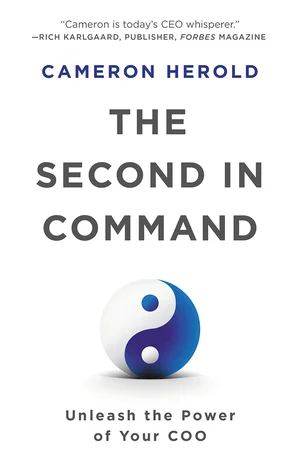
- Cameron Herold's story says speaker bureaus that had ignored him began asking to represent him after these books, and that everyone at his talks gets a copy.
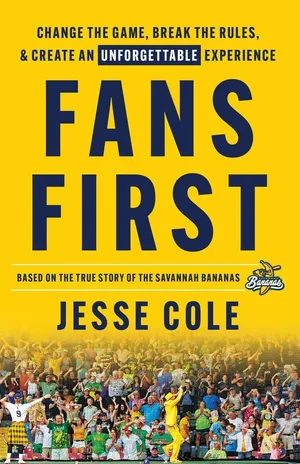
- Jesse Cole's story opens with a fact any host could use: he bought a struggling minor-league team and renamed it the Savannah Bananas. He spoke for free for years before the book.
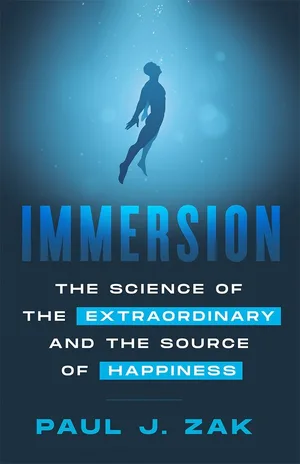
- Paul Zak is a professor at Claremont Graduate University and founder of a company also named Immersion; his story says the book filled his speaking calendar.
- Robin Farmanfarmaian's story reports 225+ keynotes in 16 countries sparked by The Patient as CEO. (read her story)
- Matt Shoup's speaking agent, his story says, was waiting for a book that looked right before booking bigger stages; Painted Baby was it. (read his story)
- David Burkus, an organizational psychologist, named Best Team Ever so the people who buy speakers could find it. (read his story)
- Nikki Barua's story reports 5x more speaking requests and 10x higher fees after Beyond Barriers. (read her story)
To turn chapters into the talks themselves, see speaking topics from your book.
Common mistakes
- Sending the author bio unchanged. The room wants to know why you are talking to them.
- One bio for every event. Change the first line to name this audience's problem. The rest can stay.
- Writing the introduction for the eye. Read it aloud before you send it.
- Your name first in the introduction. The room forgets it before you walk on.
- Claims nobody can check. "Sought-after" gets skipped; a number does not.
- An old headshot. People look for you in the hallway afterward.
Draft your bio and host introduction together
The bio builder writes a short, medium and long bio plus a read-aloud introduction from one set of facts, in your browser.
Sources: the linked Scribe success stories. All other people, companies and books on this page are invented examples.