How to build a personal brand, step by step
A personal brand is not a logo or a posting habit. It is the sentence people use to describe you, and the proof they find when they check. Here is a seven-step plan for consultants, advisors, executives and other experts, with what Scribe authors' stories show about each step.
1. Decide what you want to be known for
Write one sentence: "I help [who] [do what]." Not a job title, not a list of skills. A sentence a colleague could repeat when someone asks them who to call.
Most experts know too many things to pick one. Pick anyway. You can be good at many things and known for one; being known for one is what makes people think of you. The one-line promise guide walks through writing that sentence, and name your idea covers giving your method a name people can remember.
2. Choose who it is for
A brand is built in the minds of a particular group of people. Name them: their role, their situation, the problem that keeps them up. "Mid-size manufacturers whose orders ship late" is a group; "business leaders" is not.
Then write for them and no one else. Everything that follows (your profile, your posts, your talks) should make that person feel you understand their problem. The positioning statement guide puts who, what and why-you into one paragraph.
3. Gather proof
A brand is a claim; proof is why anyone believes it. List what a stranger could check: years doing this work, numbers of clients or projects, roles you have held, results you can show, things you have written or said in public.
Put proof where people look first. Your headline, your bio and the top of your website should each carry at least one checkable fact. The LinkedIn headline examples and professional bio examples show how, and the bio builder writes the versions from your facts.
4. Build one home base
People will look you up before they get in touch. Make sure they find one place that you control and that says your sentence clearly: a simple website with who you help, how you work, proof, and one way to take the next step. Your LinkedIn profile is the second place, and it should say the same thing.
The author website guide covers the pages most experts need, and the brand consistency checklist lists every place your description lives so they all match.
5. Pick one channel and a schedule
The channel is wherever the people from step 2 already pay attention: LinkedIn for many professional buyers, a newsletter for people who want depth, podcasts and stages for people who buy from someone they have heard speak. Pick one. Do it on a schedule you can keep for a year, even if that is one post a week.
Each piece should answer one question the people you help actually ask. Over a year that becomes fifty answers, and the people who read them start to repeat your sentence for you. LinkedIn for authors shows a posting rhythm built from chapters, and how to get speaking engagements covers the stage.
6. Build a body of work
Posts fade. A body of work is the thing people can find, read in full and pass on: a long guide, a talk that gets recorded, a framework with a name, a book. It is what turns "someone I saw on LinkedIn" into "the person who wrote the thing on this."
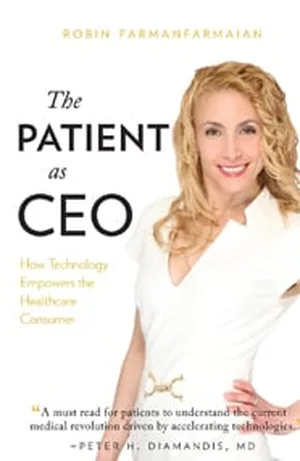
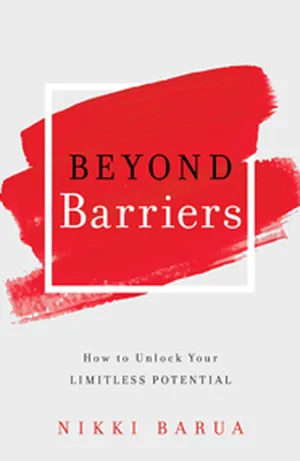
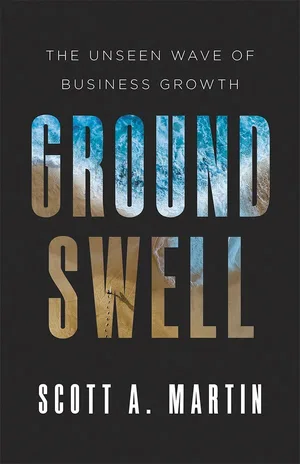
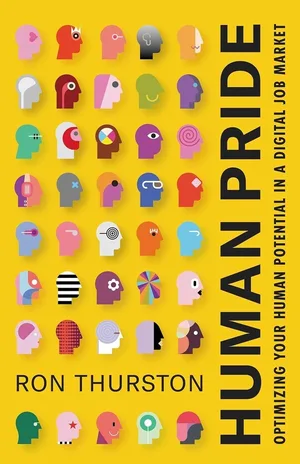
For many experts, the book is that body of work. It puts the method in one place, it gives every talk and post a source, and it is something other people hand on. These Scribe authors' stories show what that looked like for them. They are strong results, not typical ones.