Personal branding for executives, with the company's name attached.
A CEO, founder or senior executive builds a personal brand under constraints nobody else has: every sentence carries the company's name, and a board, investors or an employer may have a say in what you publish. This guide sorts what you own from what the company owns, shows how a book anchors an executive brand, gives a six-month plan and lists what to check with the company first.
Why an executive's brand is different
The basics are the same for everyone: an author brand is the set of sentences people use to describe you to someone who has never met you. For an executive, three things change.
Every sentence carries the company's name
When a CEO posts an opinion, customers, staff, competitors and journalists read it as the company's position, whatever the profile says about personal views.
Other people have a say
A board, investors, a parent company, a communications team and, at a public company, securities rules all shape what you can say and when. A private-company founder has more room than a divisional president at a listed one.
The title is temporary
If everything people know about you is "CEO of the company," the brand ends with the job. Build the part that survives a change of title: what you believe about your field and how you lead.
What you own and what the company owns
Most problems with executive brands come from blurring this line. Sort each item before you publish anything.
| Item | Usually yours | Usually the company's |
|---|---|---|
| Your point of view on your field | Yes, stated as your view | Only where it is official company policy |
| Stories from your career | Yes, told without confidential detail | Customer names, deal terms, internal numbers |
| Results and financials | Only figures the company has already made public | Everything else, until it is announced |
| Product plans and strategy | No | Yes |
| Logo, trademarks, product names | No | Yes; use them only as the company allows |
| Your name, photo and personal website | Yes; register the domain in your own name | No |
| LinkedIn profile and email list | Your profile, and a list built on your own address | The company page and its customer database |
| A book | Depends on your agreements | Depends on your agreements |
The last row is the one to settle in writing before you start. Who owns a book written by a sitting executive depends on your agreements and what the company pays for. Ask counsel. This guide does not give legal advice.
A simple rule: talk about the problem your field faces and how you think about it. Let the company talk about its own numbers, customers and plans.
How a book anchors an executive brand
Executives are short of two things: time and permission to say much in public. A book helps with both. It is one large piece of work, reviewed once, that does years of explaining for you. Every podcast, article and talk afterwards can point back to an argument already made and already cleared.
It also does work for the company without being an advert for it. The examples below show three patterns. The book can be a sales tool the team hands to prospects, a recruiting tool that tells the right people why to join, or a bridge that carries the executive to the next role. Decide which one before you write, because it changes the reader. The Scribe Method sets out how a book builds a brand in this chapter.
Executives who wrote one
Each card links to the full Scribe success story. These are strong results, not typical ones, and nobody can promise them.

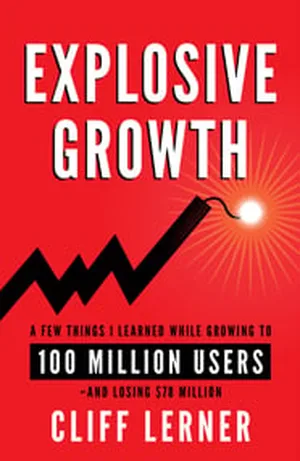
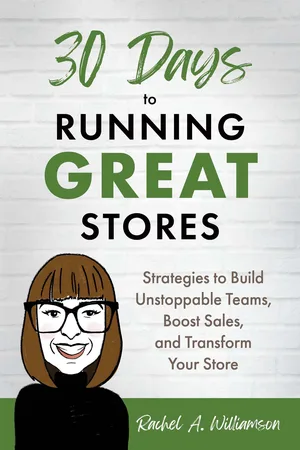
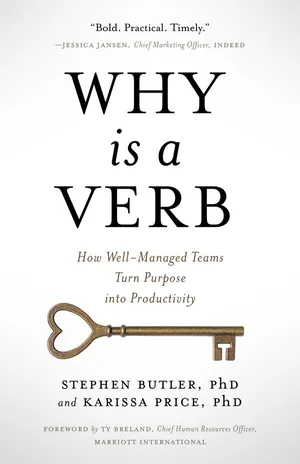
Who each book worked for, and what it did:
| Executive | What the book was for | Who gained most |
|---|---|---|
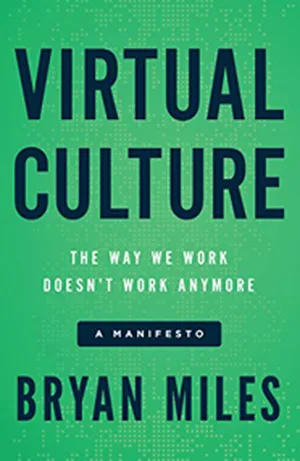
| Bryan Miles, CEO of Belay | A tool for the sales team's prospecting, and a way into podcasts and major media | The company |
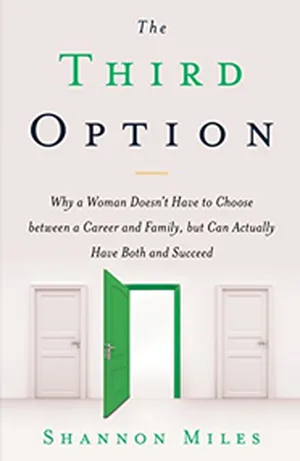
| Shannon Miles, Belay | Telling her own story and recruiting more women to work at Belay | Both: applications doubled, and she got interviews she would not have otherwise |
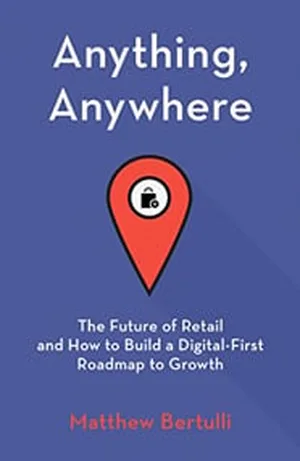
| Matt Bertulli, Demac Media and Pela | Better clients, not more clients | The company |
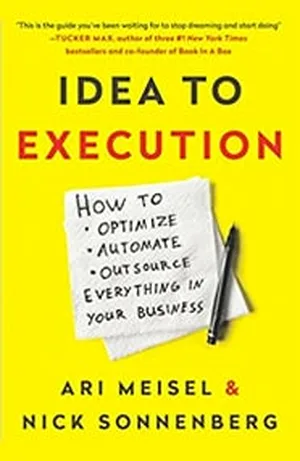
| Nick Sonnenberg, founder of two companies | Credibility, speaking fees and new clients | Both |
| Robert Glazer, Acceleration Partners | Raising the standing of his whole industry with senior buyers | The industry, then the company |
| Cliff Lerner, former CEO of SNAP Interactive | Teaching from his own mistakes | The person: boards and advisory roles |
| Rachel A. Williamson, retail executive turned founder | Thirty years of retail leadership in one field manual | The person: clients and keynotes |
| Stephen Butler, former tech CEO | A platform for one idea; "the book was not the product" | The person: a head of AI role |
Two details matter for executives in particular.
- Saying the hard thing. Cliff Lerner first wrote a tips book without the story of how his company's value fell, because he worried that sharing failures could hurt his brand before his next project. He rewrote it around those failures. His story reports readers praising its honesty, and companies, some led by well-known entrepreneurs, asking him to join their boards. (Read his story)
- Being seen as a person. Shannon Miles says having a book made her more accessible to people who did not know her: "The book humanized me in a lot of ways, which was the scary part, but it's also been so rewarding." (Read her story)
Before and after
Both executives below are invented to show the pattern. For more public sentences, see the personal brand statement examples, which include founders and executives between roles.
Say you are the chief operating officer of a listed logistics company.
Before: "COO at Northline Freight. Driving operational excellence and shareholder value. Views my own."
After: "I think most delivery delays start in the warehouse schedule, not on the road. 25 years running freight operations; author of a book on fixing the schedule first."
Why it is safer as well as clearer: it is about an industry problem, so it needs no company figures, plans or customers. "Shareholder value" is the company's subject; the warehouse schedule is yours.
Say you founded a 60-person software company and plan to step back in a few years.
Before: every post is a product announcement, and the bio reads "Founder and CEO, Brightpath."
After: the bio reads "I help founders of small software companies hire their first managers without losing the culture they built." Product news moves to the company page. The founder posts about hiring and management, and the book is about the same thing.
What changes: when the founder steps back, the brand still describes them. The company keeps its own voice, and does not depend on one person's feed.
What to check with the company first
Do this before the first post, not after the first complaint. This is a list of conversations to have, not legal advice.
| Who to ask | What to ask |
|---|---|
| Communications or public relations | Is there a social media or external communications policy for executives? Which topics need review before publishing, and how long does review take? Who handles a journalist who calls after a podcast? |
| Legal or general counsel | Who owns a book, articles or talks I produce while employed? Do my agreements limit outside work, speaking fees or other income? What confidentiality limits apply to stories from my career? |
| Investor relations (public companies) | Which dates are quiet periods? Which figures are already public and safe to repeat? Any interview where results, forecasts or deals might come up should go past this team first. |
| The board or your manager | Do they support the plan, and is the book something the company will buy copies of, promote or stay out of? Get the answer in writing. |
At a public company, one rule explains why investor relations cares. The SEC's Regulation FD says that when a company, or someone speaking for it, discloses material nonpublic information to certain people such as analysts or investors, the company has to make that information public as well. A loose answer on a podcast can create that problem, which is why company numbers stay on the company's side.
Source: SEC, Final Rule: Selective Disclosure and Insider Trading (Regulation FD), checked October 27, 2026.
A six-month plan
Six months is enough to settle the brand, clear it and put your own assets in place. A book written well takes longer than that, so this plan starts it and lets it become the center of the next phase.
Month 1: agree the lines
Have the conversations in the table above. Write a one-page note of what you own, what the company owns and which topics need review.
Month 2: decide what you stand for
Write your positioning statement about a problem in your field, not about the company. Then the public version and a one-line promise. Test them on three people outside the company.
Month 3: set up what you own
Register a domain in your own name with a one-page site. Rewrite your LinkedIn profile around your point of view (the LinkedIn guide covers each section). Take one headshot you will use everywhere. Draft the bio in three lengths with the Author Bio Builder.
Month 3 onward: start the book
Decide whether it is a sales tool, a recruiting tool or a bridge to your next role, because that decides the reader. Settle ownership in writing first. Expect to work with a team: the stories of Bryan Miles, Shannon Miles and Robert Glazer each describe a role that left too little time to write a book alone.
Month 4: one argument article
Write the long version of your point of view for a trade publication, cleared by communications. Use only figures the company has already published.
Month 5: two podcasts
Pick shows your customers listen to. Before each one, agree with communications what you will not discuss, and say so to the host up front. Hosts would rather know.
Month 6: one talk and a review
Give one talk on the same idea to an industry group (the speaking topics guide shows how to build it). Then write down how people introduced you this month. If the words are about your idea rather than your title, the brand is working. The thought leadership guide has a one-year plan for what comes next.
Write the bio first
It forces the two decisions this plan depends on: who you help and what you promise, separate from your title.
Sources: The Scribe Method, How writing a book can build your brand; SEC, Regulation FD final rule; author details and quotes from the linked Scribe success stories.